
30-DAY RISK FREE TRIAL
5 ROWING MACHINE TYPES: YOUR COMPLETE GUIDE

Deciding to integrate a rowing machine into your fitness routine is the easy part; pinpointing the perfect one for your home gym, however, is where the real challenge lies. With a market flooded with options, each promising to elevate your fitness experience, how do you zero in on the rowing machine type that’s right for you?
Navigating through the varieties—air, water, magnetic, hydraulic—might seem daunting, but we’re here to simplify it for you. With a straightforward look at what sets each type apart, we'll help you make an informed choice that aligns with your fitness goals and lifestyle. Let's jump in, shall we?
Air Rowing Machines
Air rowers have always been at the forefront when it comes to getting that real, on-the-water rowing sensation. They operate on a pretty straightforward principle: the faster and harder you row, the more resistance you encounter, thanks to a flywheel spinning against air. Air rowers are a perfect choice for those seeking a dynamic workout that adjusts to their effort level in real-time.
Pros:
- Provides a smooth and natural rowing stroke.
- Resistance adjusts automatically to your rowing intensity.
- Durable and built for high-intensity workouts.
Cons:
- Noisier operation due to air resistance.
- Generally larger and requires more space.
Water Rowing Machines
Water rowers use a tank filled with water and paddles to create resistance, offering a serene and effective workout. The resistance is dynamic, increasing with the effort you put into each stroke, and provides a sensation and sound reminiscent of rowing on water. These machines are often beautifully designed, doubling as a piece of art in your home.
Pros:
- Mimics the feel and sound of rowing on water.
- Dynamic resistance provides a realistic rowing experience.
- Aesthetically pleasing, often made with high-quality materials.
Cons:
- More expensive than other types.
- Requires regular maintenance to ensure water cleanliness.
Magnetic Rowing Machines
Magnetic rowers operate silently, making them ideal for shared living spaces or those who prefer a quieter workout environment. These machines use magnets and a flywheel to create resistance, which can be manually adjusted. Unlike air rowers, the resistance is constant and doesn't dynamically change with your rowing intensity.
Pros:
- Silent operation.
- Offers a smooth rowing experience with adjustable resistance.
- Often more compact and easier to store.
Cons:
- Doesn’t offer the 'real-water' feel.
- Some models may lack the durability of air rowers.
Hydraulic Rowing Machines
Hydraulic rowers use pistons filled with air or fluid to create resistance. They are known for their compact size, making them an excellent option for those with limited space. These rowers are typically the most affordable, providing a viable entry point for beginners or those on a tight budget.
Pros:
- Most affordable and space-efficient.
- Adjustable resistance levels.
- Easy to store, with many models folding for compact storage.
Cons:
- Rowing may not be as smooth or realistic.
- Resistance can be uneven and requires manual adjustment.
As for the cons, hydraulic rowing machines don’t provide the same on-water feeling as water rowing machines. They can also be less sturdy and lower quality, which doesn’t make them a great option for heavy or tall people.
Air and Magnetic Rowers: Aviron’s Hybrid Rowing Experience
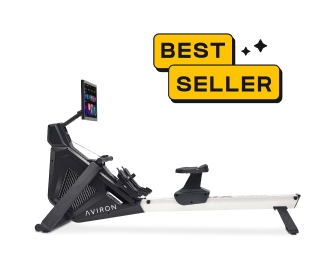
Aviron offers a hybrid machine that marries the best of both worlds: the Air and Magnetic Rower. This machine is designed to cater to a broad spectrum of fitness enthusiasts, aiming to recreate the authentic essence of rowing outdoors while providing the flexibility to meet individual workout preferences. Here's what to expect:
- Dual resistance system offers the best of both worlds: the authenticity of air resistance and the smooth, quiet operation of magnetic resistance.
- Versatile training options available on a single machine, perfect for switching between intense cardio sessions and strength-focused workouts.
- Emulates the natural resistance of water rowing while providing the ability to maintain a consistent workout intensity, courtesy of magnetic precision.
Making Your Choice: Factors to Consider
- Space and Storage: Your living space plays a crucial role in your choice. Hydraulic and some magnetic rowers are more compact and easier to store, while air and water rowers might require a dedicated space.
- Fitness Goals: Consider what you aim to achieve with your rower. If replicating outdoor rowing or engaging in high-intensity interval training is important, air and water rowers might be more appealing. For those focused on consistent resistance or noise-sensitive environments, magnetic rowers could be the best fit.
- Budget: While hydraulic rowers offer a budget-friendly entry point, investing in a higher-end magnetic, air, or water rower could enhance your rowing experience and provide lasting durability.
- Noise Level: The operational noise can be a deciding factor for many. Magnetic rowers offer a quiet solution, whereas air and water rowers produce sound that, while potentially soothing to some, might be disruptive to others.
Final Thoughts
Choosing the right indoor rower involves a thoughtful consideration of your personal needs, fitness objectives, and practical circumstances. Each type of rower has its unique advantages, and understanding these can help you make a decision that will keep you motivated and engaged in your fitness journey for years to come. Whether you prioritize a silent workout, the feel of rowing on water, or the flexibility of a machine that fits in a small space, there's an indoor rower out there that's perfect for you.
Read Next

SHARE THIS ARTICLE


