
30-DAY RISK FREE TRIAL
HOW TO USE A ROWING MACHINE:
Everything you need to know
When it comes to getting a great workout, the rowing machine is often underrated.
In fact, it’s one of the most efficient and effective pieces of exercise equipment you can use.
If you’re new to rowing or just looking to get more out of your next session on the machine, read our top tips on how to use a rowing machine safely and effectively.
Rowing Machine 101: Terms to Know
First off, when it comes to rowing, there are many strange terms and abbreviations you might not be familiar with. These are some of the most common.
Split
The first term is "split." This refers to the time it will take you to row 500 meters at your current speed. Most rowing machines prominently display this number on the monitor. The lower the number, the faster you're rowing.
Strokes Per Minute
Next is "strokes per minute," or SPM. This is self-explanatory - it's simply the number of strokes you can perform in one minute. If you're starting, your SPM will probably be relatively low. But as you get more comfortable with the rowing motion, you'll be able to increase your SPM.
Paddle
Finally, there's "paddle" or "rest." Rowing is a continuous sport; you never completely stop until the workout or race is finished. The "rest" in a workout means rowing easily, without pressure, for the specified time or distance.
Now that we've covered some of the most commonly used terms, we'll discuss the important parts of a rowing machine you should know.
Here Are the Parts of the Rowing Machine:
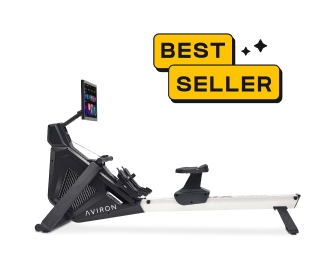
The rowing machine has several main parts, each playing a vital role in your workout. Here they are and a breakdown of why they're important.
Foot Plate
The foot plate is where you place your feet before starting to row. Having a comfortable and stable footing is essential before starting your workout.
Handle
The handle is what you hold onto while rowing. It's also called the bar, replicating the handles of an oar. It's important to keep your hands shoulder-width apart and have a comfortable grip that won't slip.
Rail
The rail is what the seat slides on as you row. It is vital to ensure the rail is lubricated so the seat can move smoothly.
Display Monitor
The display monitor shows your stroke rate, split time, and workout duration. Many models will also show how many calories you've burned. Choosing a monitor that's easy to read and understand is essential.
The Four Parts of the Rowing Stroke
The rowing stroke can be broken down into four main parts:
- the catch
- the drive
- the finish
- the recovery.
Each of these plays a vital role in ensuring you have proper form when rowing. So here's a closer look at each one.
#1) The Catch
This is where the stroke starts, putting you in the ideal position to generate power. Keep your knees bent and your shins perpendicular to the floor while sitting straight. We position our body slightly forward to form a 1 o'clock angle and keep our arms straight.
#2) The Drive
The drive is where you generate power for the stroke. Use your legs to push, and keep your stomach muscles tight throughout the movement.
When your legs are straight, be sure to hinge at the hips & lean back at a 45-degree angle.
The last movement you'll make is pulling the handle towards your stomach with your arms, just a few inches above your belly button.
It's important to note the order in which you generate power:
- start with legs
- lean back with the body
- pull with the arms
#3) The Finish
This is the opposite of the catch position, but you won't stay here long. Keep your legs extended, shoulders and back leaning away from the legs, hands and handle pulled toward the body, and elbows tucked in toward the torso.
#4) The Recovery
This final part is how you return to the catch position. So, you should do the drive movements in reverse order. Keeping the arms extended, push your hips forward to bring your torso over your legs, and then bend your knees.
Common Rowing Machine Mistakes
Most rowing machine errors are the result of incorrect form. Here are some ways to avoid common mistakes when using a rowing machine.
Not Using Your Core During The Drive
One of the most common mistakes people make when using a rowing machine is not using their core during the drive. This causes you to move with your hips instead of your legs. To fix this, ensure your core is engaged before pushing back with your legs.
Rounding Through The Back
Rounding through the back happens when rowers don't keep their backs straight, putting unnecessary stress on their spines. To fix this, rowers should focus on keeping their backs straight and their abdominals pulled in to maintain good posture.
Bending The Knees First During Recovery
The proper order of the recovery movement is as follows: arms, hips, torso, then knees. This is important because it allows you to develop a solid rhythm. Bending the knees first minimizes its effectiveness & changes the timing of the move.
Conclusion
So there you have it - a comprehensive guide on how to use a rowing machine.
Whether you're just starting or are looking for ways to improve your technique, we hope this article has been helpful.
Rowing machines provide a great full-body workout and are perfect for people who want to avoid impact on their joints.
Always use your legs as the primary power source, keep your back straight, and engage your core muscles.
If you're looking for a great rowing machine to help you achieve all these things (and more), we highly recommend checking out Aviron.
Click here to learn more about this top-rated machine and see why it's one of the best investments you can make to help you get into the best shape of your life. Thanks for reading!

SHARE THIS ARTICLE


